
9 Best Portable Power Stations for Camping of 2026
Nine portable power stations compared for camping on capacity, output, weight, ports and recharge options, using manufacturer specifications.
 By Home Power Up Team
Updated November 11, 2026

A portable power station for camping should be light enough to carry from the car, hold enough energy for your devices, and recharge in the field. This guide compares nine options from about 180Wh to over 500Wh, using manufacturer specifications and listing information. If you are weighing capacity for a weekend, start with whether 300Wh is enough for camping.
We ranked the picks on capacity, output, ports, weight, recharge options and the clarity of the specifications. Where listings give conflicting figures, we say so. For help sizing a unit to your gear, see what size power station you need, and browse our small power stations category for related guides.
All Products Compared
| Product | Best For | Capacity | Output | Weight | Notable Feature |
|---|---|---|---|---|---|
| Jackery Explorer 300 | Balanced weekend car camping | 292Wh | 300W, 600W surge | About 7 lb (listing varies) | Two AC outlets, LiFePO4 |
| CYBPULTE 299Wh | Compact with fast USB-C | 299Wh | 600W, 1,200W surge | About 6.8 lb | 140W USB-C port |
| ANTPO 500Wh | More energy for longer stays | 512Wh | 500W, 1,000W surge | Not listed | Fast AC recharge stated |
| BLUETTI Elite 30 V2 | Higher output in a small body | 288Wh | 600W | About 9.5 lb | 10ms UPS switchover |
| GRECELL 519Wh | Larger capacity, many devices | 519Wh | 500W, 1,000W peak | About 14.1 lb | Up to 10 devices |
| EBL 519Wh | Larger capacity with two AC outlets | 519Wh | 500W, 1,000W peak | 14.1 to 18 lb (listing varies) | Solar charge in 6 to 9 hours |
| Anker SOLIX C300 DC | USB-C and DC devices | 288Wh | 300W | About 6.2 lb | No AC outlet listed |
| MARBERO 237Wh | Light and compact | 237Wh | 300W, 375W peak | About 4.6 lb | Two built-in LED lanterns |
| Westinghouse iGen400s | Small kit with many outlets | 183Wh | 200W running, 400W peak | About 5 lb | Nine outlets and a display |
| Award | Product | Price | |
|---|---|---|---|
| Best Premium |
Jackery Explorer 300 Portable Power Station,292Wh
|
$289.00 | Buy |
| Best Value |
 CYBPULTE Portable Power Station 600W(1200W Surge) |
$199.99 | Buy |
 ANTPO 500W Portable Power Station |
$199.99 | Buy | |
 BLUETTI Elite 30 V2 Portable Power Station 288Wh |
$289.99 | Buy | |
 Portable Power Station 500W (Peak 1000W) |
$249.99 | Buy | |
| Best Overall |
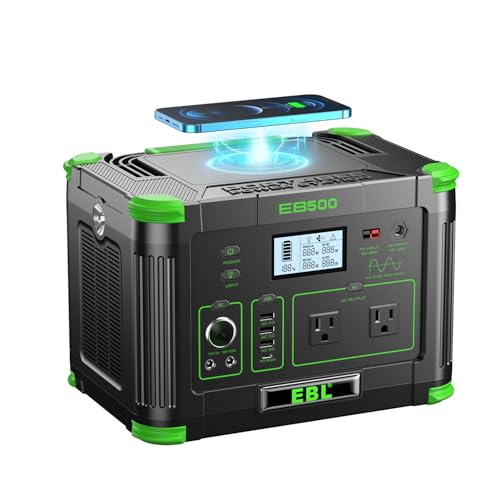 EBL Portable Power Station 500w(Peak 1000W) |
$249.99 | Buy |
 Anker SOLIX C300 DC Portable Power Station, 288Wh |
$189.99 | Buy | |
| Best Budget |
 Portable Power Station 300W MARBERO 237Wh Camping |
$139.99 | Buy |
 Westinghouse iGen400s 400 Watt |
$139.00 | Buy |
Jackery Explorer 300 Portable Power Station,292Wh
CYBPULTE Portable Power Station 600W(1200W Surge)
ANTPO 500W Portable Power Station
BLUETTI Elite 30 V2 Portable Power Station 288Wh
Portable Power Station 500W (Peak 1000W)
EBL Portable Power Station 500w(Peak 1000W)
Anker SOLIX C300 DC Portable Power Station, 288Wh
Portable Power Station 300W MARBERO 237Wh Camping
Westinghouse iGen400s 400 Watt
Top 3 Portable Power Stations for Camping Reviewed
#1 Jackery Explorer 300: Best Overall
Why We Picked It
For most camping trips, the Explorer 300 hits the right balance. The listing describes 292Wh of capacity, a 300W rated output with 600W surge, two AC outlets, a 100W USB-C Power Delivery port, two USB-A ports and a 120W car port. That covers phones, a laptop, lights and a small fan.
It also uses LiFePO4 chemistry, and Jackery states more than 4,000 cycles before the battery falls to 70 percent capacity, a manufacturer claim to read alongside the warranty. Weight is listed at about 7 lb, though the listing gives slightly different figures. Compared with the next two picks, it is the simplest and best-known of the three.
Key Specifications
- Capacity: 292Wh, LiFePO4
- Output: 300W rated, 600W surge
- Ports: 2 AC, 100W USB-C PD, 2 USB-A, 120W car
- Solar: about 2.8 hours to 80 percent with a 100W panel, per Jackery
- Weight: about 7 lb
| Pros | Cons |
|---|---|
|
|
Things to Consider
Solar charging times assume Jackery panels and good sunlight, so shade or cloud will slow it down. The listing gives two weights, so check the product page if weight matters.
Best For
Weekend campers who want a straightforward unit with AC outlets and USB-C.
Skip It If
Skip it if you plan to run devices above 300W or need more than a weekend of energy.
Check the Jackery Explorer 300 listing for current details.
#2 CYBPULTE 299Wh: Best for Compact Power With Fast USB-C
Why We Picked It
The CYBPULTE packs 299Wh into a listed 6.8 lb body, with a 600W continuous output and 1,200W surge. The listing highlights a 140W USB-C Power Delivery port for laptops and tablets, two 110V outlets with a combined 600W, two USB-A QC3.0 ports, a car port and a DC port, seven ports in all.
That output is higher than many 300W units, which gives you room for a laptop charger, lights and a small appliance together. It is a less established brand than the Jackery, so read the warranty and support details. Compared with the Jackery, you get more output and a faster USB-C port for similar capacity.
Key Specifications
- Capacity: 299Wh
- Output: 600W continuous, 1,200W surge
- USB-C: 140W Power Delivery
- Ports: 2 AC outlets, 2 USB-A, car, DC
- Weight: about 6.8 lb
| Pros | Cons |
|---|---|
|
|
Things to Consider
The combined AC rating is shared across outlets. Check the recharge time and solar input limits for the exact version you buy, since the listing highlights output more than charging details.
Best For
Campers who charge a laptop or tablet and want output headroom in a light unit.
Skip It If
Skip it if brand track record and service are your priority.
See the CYBPULTE 299Wh listing for the latest information.
#3 ANTPO 500Wh: Best for Longer Stays
Why We Picked It
If a weekend is not enough, the ANTPO offers more energy. The listing describes a 512Wh LiFePO4 battery with a 500W continuous, 1,000W surge pure sine wave inverter, AC and car outlets, and a 60W USB-C Power Delivery port. ANTPO claims more than 3,500 charge cycles and a recharge from 0 to 80 percent in about an hour on a 500W AC input.
That fast wall recharge is useful between trips, though solar charging will take longer. The listing does not give a weight in the product details, so check the product page before committing. Compared with the 300Wh picks above, you gain capacity at the cost of size.
Key Specifications
- Capacity: 512Wh LiFePO4
- Output: 500W continuous, 1,000W surge
- USB-C: 60W Power Delivery
- Wall recharge: about an hour to 80 percent, per the listing
- Cycles: more than 3,500, a manufacturer claim
| Pros | Cons |
|---|---|
|
|
Things to Consider
A larger battery is heavier and bulkier in a small car. Confirm weight and dimensions on the product page, and check the warranty terms for a lesser-known brand.
Best For
Campers who need more than a weekend of power or want to run a few more devices.
Skip It If
Skip it if you need the lightest option or only charge phones.
Check the ANTPO 500Wh listing for the current specifications.
How to Choose a Portable Power Station for Camping
Capacity for Your Trip Length
Add up your devices’ watt-hours, divide by 0.85 for losses, and add a buffer. Our guide on what size power station you need shows how, and how long a 300Wh power station lasts gives a quick chart for a common size.
Output for Your Biggest Device
The continuous output rating must exceed the combined watts of what you run at once. Heaters, kettles and coffee makers are usually beyond small units. See what a 300 watt power station can run for what a typical 300W unit handles.
Weight and Carrying
Small units weigh a few pounds to about ten, while 500Wh units can reach fifteen or more. Think about how far you carry it from the car and where it rides in the vehicle.
Recharging in the Field
Most units recharge from a wall, a car socket and often solar. Check the solar input limit in watts and volts, and expect slower charging under cloud or trees. Browse our portable solar panels category to pair panels with a unit.
Ports and Outlets
USB-C Power Delivery charges laptops efficiently, AC outlets run devices with wall plugs, and DC ports suit car-style accessories. Some units, like the DC models, skip AC entirely, so check the port list.
How We Evaluate Portable Power Stations for Camping
We compared manufacturer specifications, listing information and published ratings, weighing fit for the use in this guide, output and ports, recharge options, battery chemistry claims, weight and the clarity of the specifications. Where listings disagree, we note it. Confirm capacity, output, ports and warranty for the exact model before you buy.
Frequently Asked Questions
What size power station do I need for camping?
It depends on your devices and trip length. A small unit covers phones, lights and a camera for a weekend, as explained in whether 300Wh is enough for camping. A fan or CPAP raises the need.
Can a power station run a camping fridge?
Some can run a small compressor cooler for part of a day, depending on its draw and the unit’s surge rating. Check both before relying on it.
Can I recharge one with solar panels while camping?
Many can, within the solar input limits in the specifications. Match panel voltage and wattage to the unit, and expect slower charging in cloudy weather.
Is a power station safe to use in a tent?
Keep it dry and ventilated, away from heat and flames, and follow the manual. Never cover it while it runs, and avoid using it in the rain without protection.
Do cold nights affect battery performance?
Yes. Lithium batteries lose some usable capacity in the cold, and many cannot charge below freezing. Keep the unit in the tent or vehicle and read the manual’s temperature limits.
Final Verdict
The Jackery Explorer 300 is the best all-round camping pick here, based on its balance of ports, weight and LiFePO4 chemistry. The CYBPULTE 299Wh adds output and faster USB-C, and the ANTPO 500Wh suits longer stays.
Before buying, match capacity and output to your own gear using what size power station you need, and compare more options in our small power stations category.
About the author

The Home Power Up team researches and writes buying guides on portable power stations, solar, generators and home backup power. We compare manufacturer specifications, listing details and published ratings to help US homeowners choose gear. We do not test products ourselves, and we explain our method in How We Review.