
Do I Need an Electrician for a Level 2 EV Charger?
What an electrician does for a Level 2 EV charger: plug-in vs hardwired, circuit and breaker sizing, outlet quality and questions to ask.
 By Home Power Up Team
Updated November 16, 2026
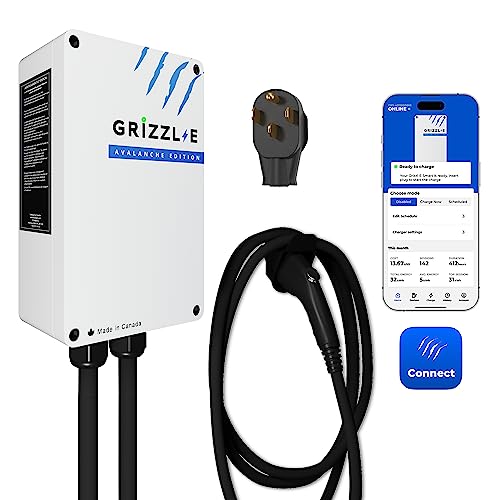
A Level 2 EV charger plugs into a 240V outlet or connects directly to a 240V circuit. Either way, the wiring behind it carries a high continuous load for hours. This guide explains what an electrician does, what to ask, and why a plug-in charger on a worn outlet is a risk. It is general information, not installation instructions.
Connecting a Level 2 charger to your home’s wiring is electrical work. A licensed electrician should install the circuit or outlet, size the breaker and pull any permit your area requires. Never use a household extension cord with an EV charger.
Plug-In vs Hardwired
| Plug-in (NEMA 14-50) | Hardwired | |
|---|---|---|
| Connection | Plugs into a 240V outlet | Wired directly to the circuit |
| Typical current | Up to 40A on a 50A circuit | Up to 48A on a 60A circuit |
| Portability | Can be unplugged and moved | Fixed |
| Outlet wear | The plug and socket carry the load | No plug and socket to wear |
| Best for | Renters, flexibility, a portable unit | Permanent home installs at higher current |
What the Electrician Checks
- Whether the panel has spare capacity for the extra load.
- Distance from the panel to the charger and the wire size needed.
- Breaker size, which should be about 25 percent above the charger current.
- GFCI requirements and any local permit or inspection.
- Outdoor-rated equipment if the charger is outside.
- Whether the charger supports load management for shared circuits.
Why Outlet Quality Matters
A 240V outlet carrying 40A for hours can run warm. A loose, worn or poor-quality receptacle can overheat. Use a high-quality outlet installed by a professional, replace it if it discolors, and unplug a portable charger by pulling the plug, never the cord. Do not use adapters or extension cords to reach a different outlet.
Questions to Ask Before You Buy a Charger
- What breaker size does the charger need at its maximum current?
- Can the charger be set to a lower current to match my circuit?
- Is it listed to UL 2594 or an equivalent, per the listing?
- Is it rated for the outdoor spot where I will install it?
- What does the warranty cover?
Adjustable Current Helps
Many chargers let you set current below the maximum. That lets a 40A charger run at 32A on a 40A circuit. The Grizzl-E Classic Connect listing, for example, describes 40A for a 50A breaker and 32A for a 40A breaker. Confirm the setting method with the maker.
Frequently Asked Questions
Can I install a charger myself?
Hire a licensed electrician for the circuit or outlet. Do not skip permits.
Can I use a dryer outlet?
Only if a licensed electrician confirms the outlet, circuit and wiring suit the charger and the current is set correctly.
Do I need a permit?
Often yes. Ask your electrician and local authority.
Is a plug-in charger as safe as hardwired?
Both can be safe when the outlet is properly installed and rated. Hardwired removes the plug and socket as a wear point.
Can I use an extension cord?
No. Use a rated J1772 extension cable only if the charger maker allows it.
Final Verdict
Treat a Level 2 charger as part of your home’s electrical system. Choose the charger first, then ask a licensed electrician to size the circuit. Compare plug-in and hardwired models in our Level 2 chargers category.
About the author

The Home Power Up team researches and writes buying guides on portable power stations, solar, generators and home backup power. We compare manufacturer specifications, listing details and published ratings to help US homeowners choose gear. We do not test products ourselves, and we explain our method in How We Review.